
Anal Lubes & Comfort Gels
Anal Lubes & Comfort Gels are thicker, long‑glide formulas designed to reduce friction, protect delicate rectal tissue, and make anal play safer and more comfortable.
Choose condom‑safe lubes and avoid numbing agents that mask pain, so the body’s feedback remains clear during slow, controlled play.
What to use
Water‑based anal lubes: condom‑safe, toy‑safe, and easy to wash off; pick thicker, gel‑like versions for more cushion.
Silicone‑based lubes: very long‑lasting and shower‑friendly; avoid on silicone toys unless a maker confirms compatibility.
Comfort gels: thicker water‑based or hybrid gels that add extra glide and cushion without compromising condom safety.
What to avoid
Oil‑based products (e.g., Vaseline, olive oil): can weaken latex condoms and are hard to clean, increasing irritation risk.
Numbing/desensitizing lubes (benzocaine/lidocaine): can hide pain that signals tissue strain or injury.
Hyper‑osmolar water‑based lubes: very high osmolality can irritate or damage rectal tissue; look for products within WHO guidance.
Safety and standards
WHO procurement guidance recommends personal lubricants with osmolality under 1,200 mOsm/kg and pH about 5.5–7 for anal/general use.
Some studies show highly hyper‑osmolar, low‑pH water‑based lubes may disrupt rectal epithelium, so lower‑osmolality choices are preferred.
How to use
Apply generously to the toy and the body, then reapply often because the anus does not self‑lubricate.
If using silicone toys, switch to water‑based lube to protect the toy surface; use silicone lube with glass or steel toys for very smooth motion.
Hygiene and sharing
Clean toys before and after play with warm water and mild soap or toy cleaner; air‑dry fully before storage.
If sharing toys, clean between users or use barriers because toys can transmit infections when not sanitized.
Quick buy checklist
Thick water‑based gel or a silicone lube depending on toy material and session length.
Condom‑safe label and, when available, low‑osmolality spec closer to WHO recommendations.
Toy cleaner and a storage pouch for easy after‑care and privacy at home.
FAQs
Which is best for beginners? Thick water‑based gel is an easy, toy‑safe default; reapply as needed.
Is silicone better for anal? Silicone lasts longer and resists wash‑off; pair with non‑porous toys and avoid silicone toys unless approved.
Are numbing gels safe? Avoid—desensitizers can mask pain that signals strain or injury, increasing risk.
How much lube do I need? More than you think; add frequently to keep glide and comfort high.
Anal Lubes & Comfort Gels are thicker, long‑glide formulas designed to reduce friction, protect delicate rectal tissue, and make anal play safer and more comfortable.
Choose condom‑safe lubes and avoid numbing agents that mask pain, so the body’s feedback remains clear during slow, controlled play.
What to use
Water‑based anal lubes: condom‑safe, toy‑safe, and easy to wash off; pick thicker, gel‑like versions for more cushion.
Silicone‑based lubes: very long‑lasting and shower‑friendly; avoid on silicone toys unless a maker confirms compatibility.
Comfort gels: thicker water‑based or hybrid gels that add extra glide and cushion without compromising condom safety.
What to avoid
Oil‑based products (e.g., Vaseline, olive oil): can weaken latex condoms and are hard to clean, increasing irritation risk.
Numbing/desensitizing lubes (benzocaine/lidocaine): can hide pain that signals tissue strain or injury.
Hyper‑osmolar water‑based lubes: very high osmolality can irritate or damage rectal tissue; look for products within WHO guidance.
Safety and standards
WHO procurement guidance recommends personal lubricants with osmolality under 1,200 mOsm/kg and pH about 5.5–7 for anal/general use.
Some studies show highly hyper‑osmolar, low‑pH water‑based lubes may disrupt rectal epithelium, so lower‑osmolality choices are preferred.
How to use
Apply generously to the toy and the body, then reapply often because the anus does not self‑lubricate.
If using silicone toys, switch to water‑based lube to protect the toy surface; use silicone lube with glass or steel toys for very smooth motion.
Hygiene and sharing
Clean toys before and after play with warm water and mild soap or toy cleaner; air‑dry fully before storage.
If sharing toys, clean between users or use barriers because toys can transmit infections when not sanitized.
Quick buy checklist
Thick water‑based gel or a silicone lube depending on toy material and session length.
Condom‑safe label and, when available, low‑osmolality spec closer to WHO recommendations.
Toy cleaner and a storage pouch for easy after‑care and privacy at home.
FAQs
Which is best for beginners? Thick water‑based gel is an easy, toy‑safe default; reapply as needed.
Is silicone better for anal? Silicone lasts longer and resists wash‑off; pair with non‑porous toys and avoid silicone toys unless approved.
Are numbing gels safe? Avoid—desensitizers can mask pain that signals strain or injury, increasing risk.
How much lube do I need? More than you think; add frequently to keep glide and comfort high.
Anal Lubes & Comfort Gels are thicker, long‑glide formulas designed to reduce friction, protect delicate rectal tissue, and make anal play safer and more comfortable.
Choose condom‑safe lubes and avoid numbing agents that mask pain, so the body’s feedback remains clear during slow, controlled play.
What to use
Water‑based anal lubes: condom‑safe, toy‑safe, and easy to wash off; pick thicker, gel‑like versions for more cushion.
Silicone‑based lubes: very long‑lasting and shower‑friendly; avoid on silicone toys unless a maker confirms compatibility.
Comfort gels: thicker water‑based or hybrid gels that add extra glide and cushion without compromising condom safety.
What to avoid
Oil‑based products (e.g., Vaseline, olive oil): can weaken latex condoms and are hard to clean, increasing irritation risk.
Numbing/desensitizing lubes (benzocaine/lidocaine): can hide pain that signals tissue strain or injury.
Hyper‑osmolar water‑based lubes: very high osmolality can irritate or damage rectal tissue; look for products within WHO guidance.
Safety and standards
WHO procurement guidance recommends personal lubricants with osmolality under 1,200 mOsm/kg and pH about 5.5–7 for anal/general use.
Some studies show highly hyper‑osmolar, low‑pH water‑based lubes may disrupt rectal epithelium, so lower‑osmolality choices are preferred.
How to use
Apply generously to the toy and the body, then reapply often because the anus does not self‑lubricate.
If using silicone toys, switch to water‑based lube to protect the toy surface; use silicone lube with glass or steel toys for very smooth motion.
Hygiene and sharing
Clean toys before and after play with warm water and mild soap or toy cleaner; air‑dry fully before storage.
If sharing toys, clean between users or use barriers because toys can transmit infections when not sanitized.
Quick buy checklist
Thick water‑based gel or a silicone lube depending on toy material and session length.
Condom‑safe label and, when available, low‑osmolality spec closer to WHO recommendations.
Toy cleaner and a storage pouch for easy after‑care and privacy at home.
FAQs
Which is best for beginners? Thick water‑based gel is an easy, toy‑safe default; reapply as needed.
Is silicone better for anal? Silicone lasts longer and resists wash‑off; pair with non‑porous toys and avoid silicone toys unless approved.
Are numbing gels safe? Avoid—desensitizers can mask pain that signals strain or injury, increasing risk.
How much lube do I need? More than you think; add frequently to keep glide and comfort high.
Showing the single result
-
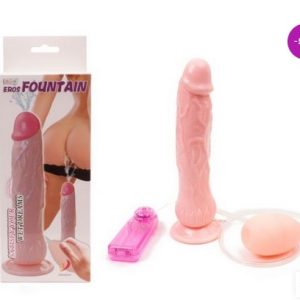
Baile Eros Fountain Vibrating Squirting Dildo
Dildo Strapon toys Original price was: ₹9,150.00.₹3,450.00Current price is: ₹3,450.00.